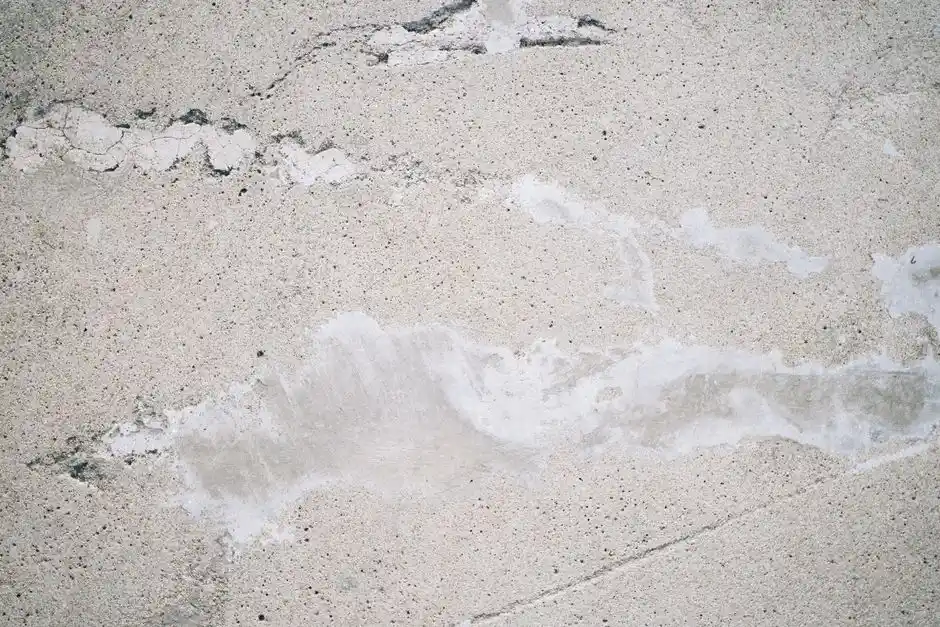
For most worn concrete in Clairemont, a concrete overlay is the better choice when the slab is structurally sound but the surface is spalled, cracked, or stained - and concrete resurfacing is the better choice when you want a thinner, decorative skim coat over relatively minor wear. If the slab has sunk, heaved, or has cracks wider than a quarter inch, neither one is the right fix; you need slab repair or replacement first.
We run into this question almost every week on driveways and patios across Clairemont, and the honest answer depends on three things: how deep the damage goes, how the slab is draining, and what you want it to look like when we're done. Below we break down the real differences, 2026 pricing in this area, and how to tell which method your concrete actually needs.
The short answer: resurfacing vs overlay for worn concrete
Concrete resurfacing vs overlay in Clairemont comes down to thickness and purpose. Resurfacing is a thin polymer-modified cement layer, usually 1/16 to 1/8 inch, troweled or rolled over an existing slab to restore appearance and seal minor surface damage. An overlay is thicker - typically 1/4 inch to 2 inches depending on the product - and is engineered to rebuild the wear surface, correct minor slope issues, and carry foot or vehicle traffic.
Both bond to the existing concrete. Both cost far less than a tear-out and repour. The difference is what they can hide and how long they last under San Diego's sun and our winter rain.
As a rule of thumb we give homeowners:
- Resurfacing: best for cosmetic wear, hairline cracks, faded color, and light pitting. Expect 8-12 years with proper sealing.
- Overlay: best for moderate spalling, exposed aggregate damage, and slabs that need a fresh structural wear layer. Expect 15-25 years with proper sealing.
- Neither: if the slab is moving, cracked through, or holding water, fix the base problem first.
What is the difference between concrete resurfacing and overlay in Clairemont?
Concrete resurfacing in Clairemont is a restoration process that applies a thin cementitious or polymer coating over an existing slab to renew the surface without changing its structural thickness. We grind the top, clean it, apply a bonding agent, then trowel or spray the resurfacer at roughly 1/16 to 1/8 inch. It's fast - most driveways and patios are done in a single day and ready for foot traffic in 24 hours, vehicles in 48 to 72.
A concrete overlay in Clairemont California is a thicker application, usually a polymer-modified cement or self-leveling topping poured at 1/4 inch to 2 inches. Because it adds real mass, an overlay can bridge minor substrate irregularities, rebuild a worn edge, and take heavier traffic. Cure time runs longer - 48 to 72 hours before foot traffic, and up to 7 days before you park on it.
The practical difference you'll feel: resurfacing is a skin, an overlay is a new wear surface. If your concrete is 20-plus years old and the top 1/8 inch is gone, resurfacing alone will fail within a couple of years. That's when we recommend an overlay.
For homeowners who want pattern or color rather than a plain gray finish, we often pair either method with Stamped Concrete in Clairemont, California so the finished slab matches the house instead of looking like a patch job.
How we decide which one your slab actually needs
We walk every slab before quoting. The inspection takes 20 minutes and it's the difference between a fix that lasts 15 years and one that peels in 18 months.
Here's what we check:
- Crack width and pattern. Hairline cracks under 1/8 inch are cosmetic - resurfacing handles them. Cracks 1/4 inch or wider, or cracks that run in a spiderweb pattern, mean the slab is moving.
- Slab movement. We tap the surface and listen for hollow spots. If more than 20% of the slab sounds hollow, the concrete has delaminated from the base and an overlay will fail too.
- Drainage. Water should sheet off within 24 hours of a rain. If it pools, we correct the slope before any coating goes down.
- Spalling depth. If the surface is flaking off more than 1/4 inch deep, resurfacing is too thin to fix it.
- Freeze-thaw and salt exposure. Clairemont sits close enough to the coast that salt air and winter rain cycles stress the top layer. Sealing matters more here than inland.
If the slab passes those checks, we quote both options and tell you which one we'd put on our own driveway. If it fails, we say so and quote the repair instead - usually Concrete Crack Repair in Clairemont, California or slab replacement.
Concrete resurfacing cost in Clairemont vs overlay cost
Typical 2026 pricing in this area runs $3 to $6 per square foot for concrete resurfacing and $6 to $12 per square foot for a concrete overlay, installed. A standard 400-square-foot driveway comes out to roughly $1,400-$2,400 resurfaced, or $2,600-$4,800 overlaid.
What moves the number:
- Prep work. Grinding, crack filling, and cleaning add $0.50-$1.50 per square foot. Skipping prep is the single biggest reason coatings fail.
- Finish. A plain gray overlay sits at the low end. Decorative finishes - stamped, stained, or broomed - push toward the high end.
- Access. Tight side yards and back patios with no truck access add labor.
- Square footage. Jobs over 800 square feet drop the per-foot price by 10-15%.
Compare that to a full tear-out and repour, which in Clairemont runs $12 to $20 per square foot once you add demolition, haul-away, base prep, and new concrete. Resurfacing and overlays exist because they save you 50-70% of that cost while keeping the slab you already have.
If you're weighing a repair against a full replacement on a driveway, our team covers both sides of that call in Concrete Driveway Repair in Clairemont, California, and we'll tell you straight which one makes financial sense for your slab.
Where each method wins: driveways, patios, walkways, pool decks
Different slabs wear differently, and the right method changes with the traffic and exposure.
Driveways
Vehicle traffic and tire scuffing favor overlays. A 1/2-inch polymer overlay holds up to daily parking far better than a 1/8-inch resurfacer. We see resurfaced driveways in Clairemont start showing wear at year 6 or 7; overlaid ones typically hit year 15 before they need attention.
Patios
Patios are the best candidates for resurfacing. Foot traffic only, no vehicles, and most Clairemont patios are shaded part of the day, which reduces UV stress. A resurfaced patio with a good sealer looks new for a decade.
Walkways and sidewalks
Walkways take the least abuse, so resurfacing is almost always enough. The one exception is a walkway with tree-root heaving - that's a base problem, not a surface problem, and we handle it through Concrete Walkway & Sidewalk Repair in Clairemont, California before any coating goes down.
Pool decks
Pool decks need slip resistance and chlorine resistance. Overlays formulated for wet areas are the safer call, and we finish them with a texture that stays grippy when wet.
What to watch out for before you hire anyone
The resurfacing and overlay industry has a bad reputation in some markets because of shortcuts. Here's what we see go wrong on jobs we're called in to fix.
- No grinding or profiling. If the crew doesn't mechanically rough up the existing surface, the bond fails. Period.
- Coating over a wet slab. Concrete needs to be dry - we check moisture before we start. A slab that reads above 5% moisture gets pushed to another day.
- Thin coats sold as overlays. If a quote for an "overlay" comes in at resurfacing prices, you're getting a resurfacer with a fancier name.
- No expansion joints. Overlays and resurfacers crack where the slab moves. We cut or honor joints so the new surface has somewhere to relieve stress.
- Skipping the sealer. Unsealed overlays in Clairemont chalk and fade within 3-4 years. Sealed ones hold color for 8-10.
- No cure time guidance. If nobody tells you when you can walk on it or park on it, ask. The answer should be specific.
We also see homeowners try to save money by skipping the crack repair step. That almost always backfires - the crack telegraphs through the new surface within one season.
When to call a professional
If your slab has cracks wider than a quarter inch, if water pools on it after rain, if more than a fifth of the surface sounds hollow when tapped, or if you can see the aggregate showing through the top layer, it's time to get eyes on it. Those are the conditions where a DIY resurfacing kit from a big-box store fails within a year.
Our team at Concrete Contractor Clairemont handles both resurfacing and overlays across the neighborhood, and we'll tell you during the walkthrough which one your slab actually needs - not which one is easier to sell. We also work regularly with homeowners in North Clairemont, where the older housing stock means more 1960s and 1970s slabs that are prime candidates for overlay work.
If you're not sure whether your concrete needs a surface fix or a structural one, we can usually tell you in a 20-minute visit.
Frequently Asked Questions
What is the difference between concrete resurfacing and overlay in Clairemont?
Resurfacing is a thin 1/16 to 1/8 inch skim coat that restores appearance and seals minor surface wear. An overlay is a thicker 1/4 inch to 2 inch layer that rebuilds the wear surface and handles heavier traffic. Both bond to an existing sound slab; the difference is thickness, cost, and how much damage they can cover.
Which is better for worn concrete in Clairemont - resurfacing or overlay?
Overlay is better when the slab is structurally sound but the surface is spalled, pitted, or worn more than 1/4 inch deep. Resurfacing is better for cosmetic wear, hairline cracks, and faded color on patios and walkways. If the slab is moving or cracked through, neither works until the base is fixed.
How much does concrete resurfacing cost in Clairemont California?
In 2026, resurfacing in Clairemont runs $3 to $6 per square foot installed. A 400-square-foot driveway typically lands between $1,400 and $2,400. Prep work, finish type, and access add to that range. Sealing afterward adds roughly $0.50 to $1.00 per square foot.
How much does concrete overlay cost in Clairemont?
Overlays run $6 to $12 per square foot installed in 2026, so a 400-square-foot driveway comes out to $2,600-$4,800. Decorative finishes, thicker toppings, and difficult access push toward the high end. It's still 50-70% cheaper than tearing out and repouring the same slab.
How long does each method last?
A properly prepped and sealed resurfacing lasts 8-12 years in Clairemont's coastal climate. An overlay lasts 15-25 years. Both numbers assume the slab underneath stays stable and the surface gets resealed every 3-5 years.
Get help with Concrete Contractor in Clairemont
Whether your slab needs a thin resurfacing or a full overlay, we'll walk it, quote both options, and tell you which one holds up. Call Concrete Contractor Clairemont at +18446359999 and we'll schedule a look at your driveway, patio, or walkway this week.